
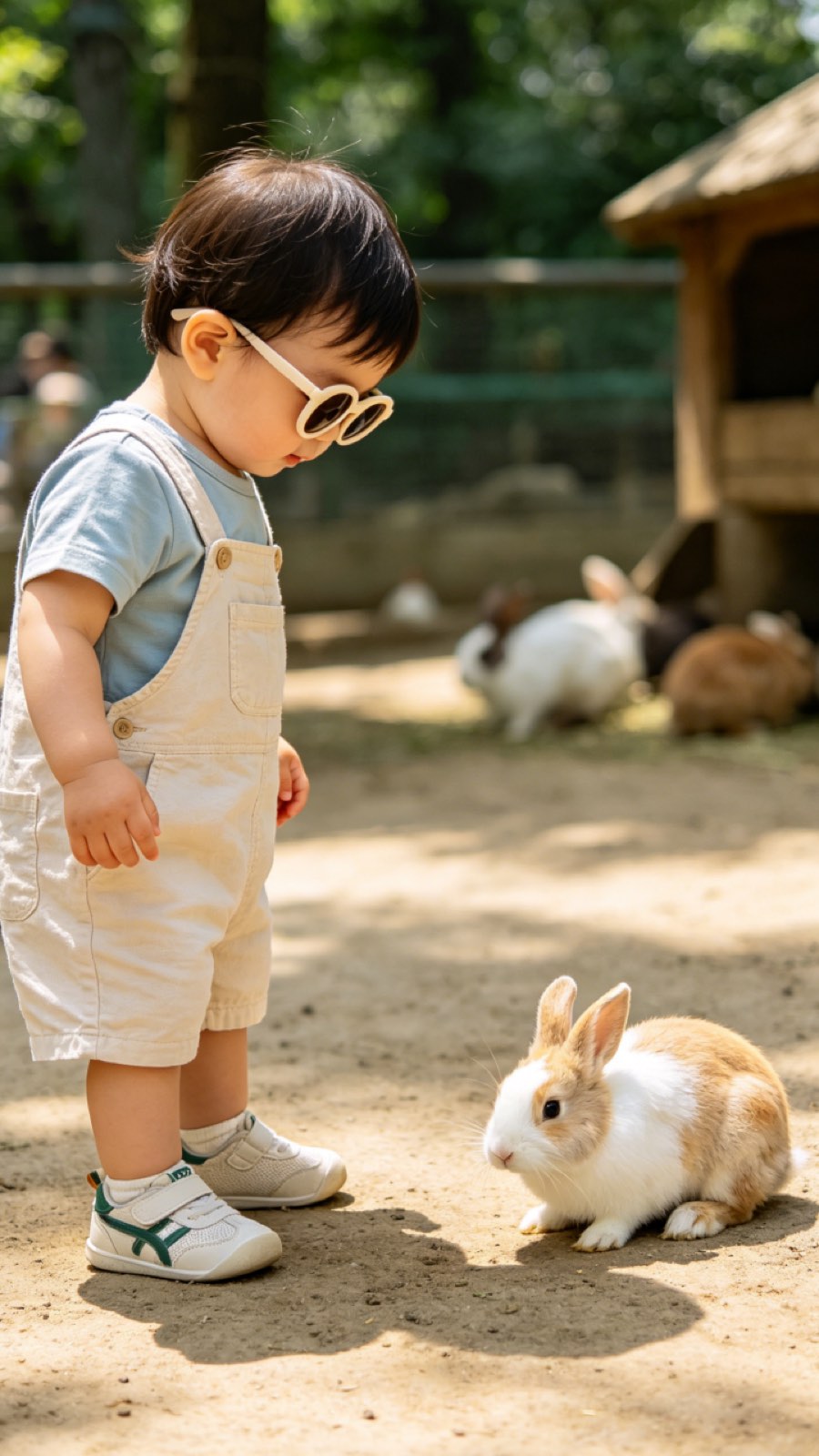
Baby’s first steps usually happen sometime between 9 and 15 months, although there is a wide normal range. Walking does not begin suddenly. Most babies build toward it through sitting, crawling, pulling to stand, cruising along furniture, squatting, and testing balance in short bursts. Parents do not need to rush this process. What helps most is daily movement practice, a safe environment, and patient encouragement.
Signs Your Baby Is Getting Ready to Walk
Before independent walking, many babies show a series of useful signs. They sit steadily without much support, move in and out of sitting, crawl or scoot to reach toys, pull up on stable furniture, and cruise sideways while holding on. You may also notice brief moments of standing without support, controlled squatting, or attempts to step toward a caregiver.
- Pulling to stand repeatedly during play
- Cruising along a couch or coffee table
- Letting go with one hand while balancing
- Lowering back down with more control
- Taking a few assisted steps while holding your hands
If your baby is moving through these stages, they are already doing the real work that comes before walking. The goal is not to force early steps but to support strength, balance, and confidence.
How to Support Strength and Balance
Floor play is one of the most effective ways to build the muscles needed for walking. Time on the floor helps babies practice rolling, pushing up, crawling, climbing over cushions, and shifting weight from side to side. These movements strengthen the core, hips, shoulders, and legs in a natural way.
You can also encourage movement by placing favorite toys slightly out of reach, letting your baby transition between furniture pieces, and creating opportunities to pull up safely. If your baby enjoys imitation, clap, squat, and stand together during play. These simple routines build coordination without pressure.
- Offer supervised floor time every day
- Use sturdy furniture for pulling up and cruising
- Encourage squatting to pick up toys from the floor
- Stand a short distance away and invite your baby to step toward you
- Celebrate effort, not just successful independent steps
Create a Safe Practice Space at Home
Babies learn best when they can experiment without constant interruption. Clear away small objects, loose rugs, unstable furniture, and sharp-edged hazards. Use safety gates near stairs. A soft rug or play mat can cushion minor falls, but the surface should still be firm enough for stable standing.
When possible, let babies practice barefoot indoors or in socks with reliable grip. Bare feet help many babies feel the floor and adjust balance more naturally. Hard-soled shoes are usually unnecessary for indoor practice and may make movement less flexible in the early stage.
What Helps Less Than Parents Expect
Many parents worry that they are not doing enough, but walking does not usually require special equipment. In fact, some products can interfere with natural practice or create safety concerns.
- Baby walkers with wheels: these can increase injury risk and do not teach the same balance skills as real standing and cruising.
- Too much time in seats or containers: swings, bouncers, and activity seats can limit floor movement if used excessively.
- Constant hand-holding: a little assisted practice is fine, but babies also need chances to balance and problem-solve on their own.
- Comparing milestones too rigidly: progress is not identical from one baby to another.
Simple Daily Routines That Encourage Walking
Walking skills grow through repetition. Short, low-pressure routines often work better than long practice sessions. You might invite your baby to cruise from the sofa to a sturdy chair, squat to pick up stacking cups, carry a soft toy while standing, or take one or two steps between two adults sitting nearby.
It also helps to notice when your baby is most willing to practice. Some babies try new movements after naps, while others are more active before bath time or after outdoor play. Following your baby’s rhythm usually works better than trying to force practice when they are tired or frustrated.
When to Talk to a Pediatrician
A later walker is not automatically a cause for alarm. However, some signs deserve medical input. Talk with your pediatrician if your baby is not pulling to stand, seems very stiff or very floppy, uses one side much more than the other, loses previously learned movement skills, or is not taking independent steps by around 18 months.
You should also ask for guidance if walking concerns come with pain, frequent falls that seem unusual, persistent toe walking, or broader delays in communication, feeding, or social engagement. A pediatrician can decide whether simple follow-up is enough or whether a developmental or physical therapy evaluation would help.
Common Questions Parents Ask
Should I use shoes indoors?
Usually no. Bare feet or flexible non-slip socks are often better for early practice indoors, as long as the floor is safe and warm enough.
Is crawling necessary before walking?
Not every baby crawls in the same way, and some skip classic crawling. What matters more is whether your baby is building strength, coordination, and the ability to move independently through space.
What if my baby falls often while learning?
Small tumbles are common while babies learn balance. The key is a safe practice area and calm encouragement. If falls seem severe, painful, or unusually frequent, bring it up with your pediatrician.
Final Takeaway
The best preparation for first steps is not pressure or fancy equipment. It is steady floor play, safe opportunities to pull up and cruise, and caregivers who make movement feel encouraging instead of stressful. Most babies get there through practice, confidence, and time. If something about the pattern worries you, ask early rather than waiting in uncertainty.
Leave a Reply