
Family Evolution Starts With You: When Love Wraps Itself in Ice
When we hear the word “evolution,” we usually think of humanity’s journey over millions of years — a distant, slow process of adapting to nature. But here’s a different thought: the moment you step outside your old way of thinking and begin to reflect, you’ve already pressed the start button on your family’s evolution.

How Your Upbringing Shapes Your Behavior
There’s been plenty of online discussion about “blaming our parents.” I respectfully disagree. Our parents may have unavoidably passed down some struggles, but they did their best with what they had. They grew up in an era of scarcity, where the main goal was putting food on the table and staying warm. Most of their energy went toward survival — first surviving, then surviving a little better.

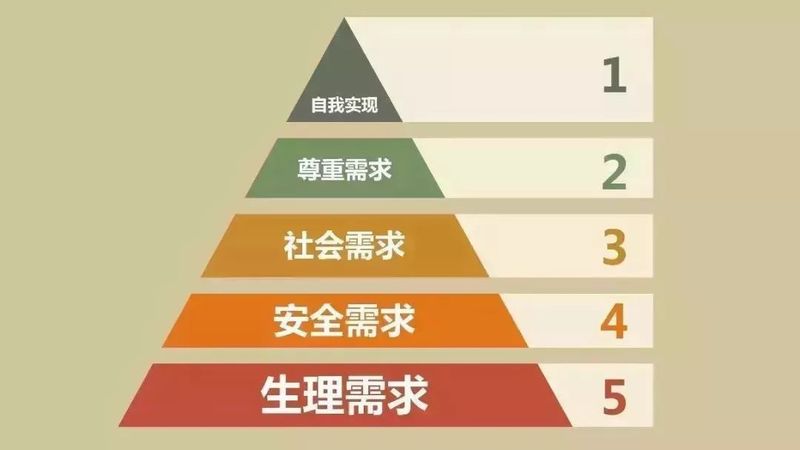
According to Maslow’s Hierarchy of Needs, the most fundamental human need is survival. If that basic need isn’t secure, higher-level needs can’t develop. Our parents’ generation simply didn’t have the mental bandwidth to focus on psychological needs.
On top of that, they lacked parenting knowledge and skills. Most of what they knew came from their own parents and well-meaning friends. So naturally, some of their habits rubbed off on us — though how much varies from person to person and depends on our individual needs and circumstances.
The patterns of interaction between our parents and us become internalized as our patterns of interaction with the world — and eventually, with our own children. For example: if we weren’t carefully nurtured as children and grew up emotionally distant from our family, we naturally won’t have a strong sense of family connection. The family model we know is: food and shelter are enough, and emotional communication isn’t something we learned or practice.
Because of our own upbringing and the pressures of modern life, some parents feel: “Raising kids is getting harder and harder.” Why is that?
The Rising Difficulty of Parenting
Our psychological needs are tied to our culture, economic conditions, and the information environment we live in. Modern parenting truly has become more complex. As Maslow’s theory suggests, once lower-level needs are met, higher-level needs emerge. Today, with material abundance, children are pursuing deeper emotional and psychological fulfillment.
First, material prosperity means children develop higher-level needs earlier.
Second, parents are caught between the legacy of their own upbringing and limited modern parenting knowledge — a double pressure.
Third, modern parents face intense stress and competition. Material comparisons are everywhere, which means less time for parenting — especially quality parenting time.
Family Evolution Starts With You
The phrase “family evolution” isn’t mine — I first heard it from Teacher Wei, who teaches Satir Transformational Systemic Therapy. When I first heard those words, it hit me like an electric shock. I realized that three years ago, I had made the right choice: going to graduate school for psychology. As one of my professors once said, “Psychology is a discipline that can make people happy.” So consider this: by clicking on this article, you’ve already pressed the start button on your family’s evolution.
Part One: What Children Need at Each Stage
Children have different needs at different developmental stages:
Infancy (0–1 year): “When I’m hungry, feed me immediately. When I’m thirsty, give me a drink. When I’m bored, show up with a smiling face ready to play.” Parents who can notice these cues, accurately identify the need, and respond promptly and warmly are meeting the core needs of this stage.
Toddler (1–3 years): As motor skills grow, so does the child’s world. Parents who accept their child’s exploratory drive and willingly discover new and interesting things together are meeting the needs of this stage.
Preschool (3–6 years): Now the child isn’t just exploring — they urgently need to know “why.” Parents who satisfy that curiosity and patiently answer question after question are meeting the needs of this stage.
School Age (6–12 years): Children need help finding success in learning. They need your guidance and support — not your criticism, scolding, or sarcasm. They’re building confidence that will carry them through their educational journey.
Adolescence (12–18 years): “Give me space. I want to prove I’ve grown up. I need your recognition, acceptance, and approval as evidence of my maturity.” Teens don’t want endless nagging or lectures — it pushes them away. But they still need your help navigating life’s direction. They need to envision their future and pursue it with determination.

A child’s sense of being fulfilled has two layers: material and psychological — and they’re intertwined. When you buy a child a toy on a shopping trip, or when Dad makes a special photo album for a birthday, the child receives a physical item, yes — but they also receive the emotional message: “My parents love me. I matter.”
Part Two: How to Really Meet Your Child’s Needs
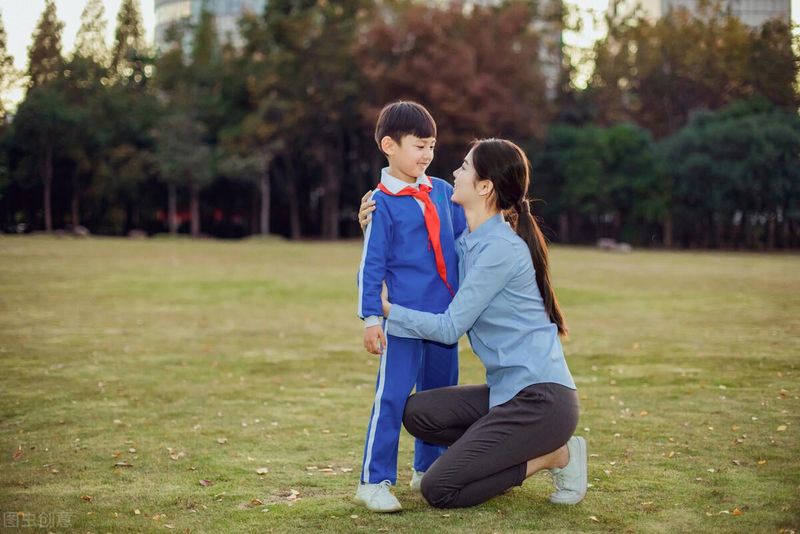
The answer is surprisingly simple: respect. When you truly respect a child, they can feel it. The tricky part is that most of us grew up with authoritarian parenting — we don’t have much experience with respectful relationships. As we grew up, we developed a set of standards, and without realizing it, we measure our children’s behavior against them. Combine that with a lack of positive role models, and disrespectful words and actions slip out — leaving children feeling unseen and unheard.
Respect comes down to two things:
1. Withhold Judgment
Let go of your existing values. Stop measuring your child’s performance and stop comparing them to others. When you stop comparing, you can truly accept your child and consider their feelings.
Example: You see your child working slowly on homework. Your first thought is, “This shouldn’t be happening.” You’ve now labeled their behavior as “bad.” Who wants to accept something labeled as bad? But have you ever stopped to ask *why* they’re working slowly?
2. Give Your Child a Voice and a Choice
Respect isn’t just a word — it shows up in daily life. Let your child make choices and express their opinions.
Example: A child dislikes a certain food. Some parents force them to eat it anyway. This comes from a value judgment (“picky eating is wrong”) and from not giving the child a choice (“you must do what I say”). This effectively takes away their right to choose and their right to be heard.

Part Three: Practice Self-Awareness
In psychology, there’s a concept called “awareness.” I think of it as deeply reflecting on the reasons behind your own behavior. Why do parents need awareness? The learning process usually goes like this:
Learn → Internalize → Become Aware → Change Behavior
After you gain knowledge — from books, courses, or other sources — you need to process it and make it your own. Then you become aware of your own past behaviors. Finally, you change.
Awareness is the critical hinge. Without it, there’s no reflection or self-examination. You keep operating in the same old mental patterns, unable to break free — and your behavior never changes. Only by using new knowledge to reflect and become aware can you turn knowledge into action.
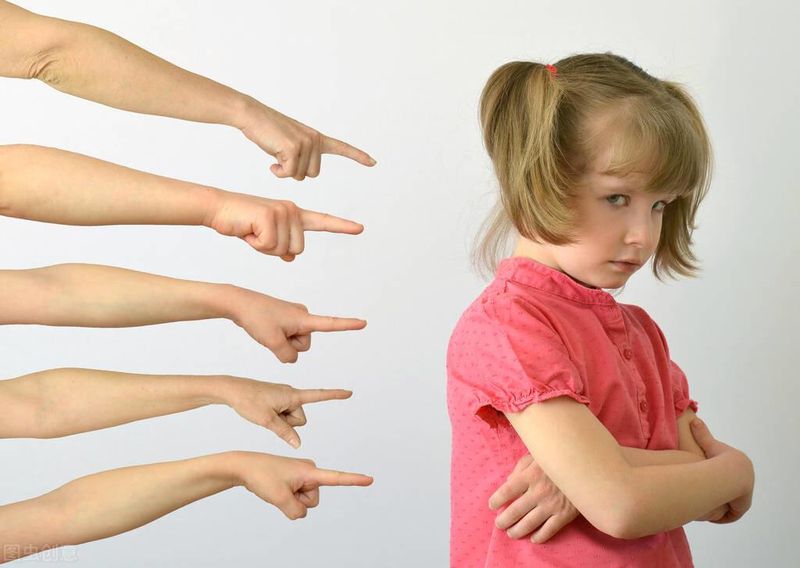
Example: You see your child dawdling over homework. You get angry. Why? Are you worried the teacher will scold them? Afraid they won’t get enough sleep? Or is it your own pride — afraid of being called to school because of your child’s issues? That’s awareness — looking honestly at your motivation. Whatever the reason, anger and blame are not constructive. They don’t help your child grow.
Love Must Be Unconditional
Love is one of humanity’s highest emotional needs. It’s the bond that connects parent and child. Once love becomes conditional, it turns into something you can trade — like goods.
“You get good grades, so I’m happy. You don’t, so I’m not.”
“You behave well, so I’m pleased. You don’t, so I’m not.”
Children can feel these emotional shifts. They start to believe: “I’m only lovable when I perform well.” In their mind, love becomes a commodity to be earned through achievement.

When a child grows up with this belief, it has a profound impact on their future relationships and overall well-being.
What this looks like in adulthood:
- Warm on the surface, cold underneath. They keep people at a careful distance — not too close, not too far. Because love in their experience was inconsistent, they hold back as a way of protecting themselves from being hurt.
- Unable to receive love. When someone shows them kindness, they’re suspicious. They question the person’s motives — assuming there must be a hidden agenda. They often measure relationships by material standards.
- Unable to give love. It’s like asking someone who’s starving to share their food. You can’t give what you’ve never truly received.
- People-pleasing. They bend over backward to accommodate others, completely ignoring their own feelings. Even when they’re hurt, they pretend everything is fine.
- Low self-worth. “I have no value. I’m not worthy of love. Only when I achieve something will I deserve to be loved.” Children like this often grow into perfectionists, constantly chasing achievement — not for the sake of achievement itself, but as currency to “buy” love. What they really need is attention, support, recognition, and acceptance.
No matter which pattern shows up, these individuals struggle to build healthy intimate relationships and friendships. They lack the ability to love and be loved. They often live in a state of anxiety, guilt, and self-blame.
Final Thoughts
Parenting is a one-way street — and there are no do-overs. That’s why we approach it with such care. By clearly understanding how our own upbringing and today’s environment shape our parenting, we can do better for our children.
Count the years on your fingers. We only get about a decade or so of real, daily closeness with our children. Cherish the present. Feel every step of their growth. When we’re old and gray, those will be the most precious memories we have.
Leave a Reply