
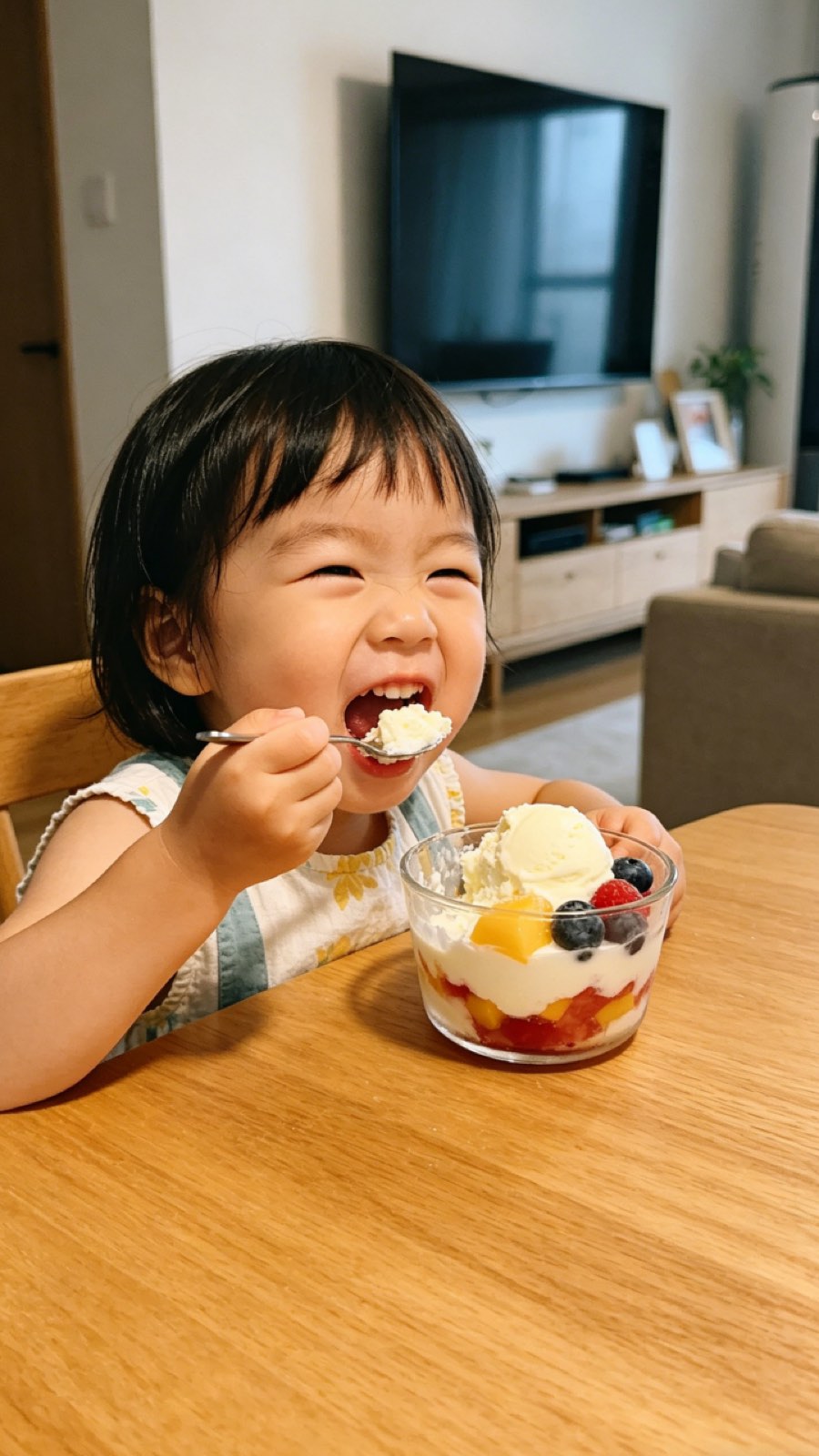
Complementary Food Recipes for Toddlers Ages 1 to 2
Feeding a toddler between 1 and 2 years old often feels very different from feeding a baby who has just started solids. At this stage, many children want more independence, appetites change from day to day, and favorite foods can suddenly be rejected. Parents often start looking for “recipes” because simple spoon-feeding no longer works the same way, but the real goal is usually broader: offering balanced meals that are easy to chew, reasonably nutritious, and practical for family life.
The good news is that toddlers do not need complicated meals. What helps most is a steady routine, soft textures, repeated exposure to familiar ingredients, and enough variety across the week rather than perfection at every meal. This guide offers realistic recipe ideas and explains how to build toddler meals that support growth without turning every bite into a negotiation.
What changes between age 1 and 2
By this age, most toddlers can handle a wider range of textures than they could during early complementary feeding, but they still need food that is soft, manageable, and served in safe sizes. Many can eat chopped family foods, soft rice, pasta, eggs, beans, cooked vegetables, fruit pieces, yogurt, and tender meat or fish when prepared carefully. They also begin to show stronger preferences, which is normal and not always a sign that something is wrong.
Growth is still important, but appetite often looks less dramatic than it did during infancy. Some children eat well in the morning and lightly at dinner. Others go through phases of wanting the same food for several days. A better way to judge intake is to look at the overall pattern across a week, not one difficult meal.
What a balanced toddler meal usually includes
Instead of chasing special “super recipes,” it helps to think in meal components. A useful toddler plate often includes a source of carbohydrate for energy, a protein-rich food, a fruit or vegetable, and some healthy fat. For example, rice with scrambled egg and soft vegetables works. So does oatmeal with yogurt and fruit, or pasta with minced chicken and tomato sauce.
This approach reduces pressure because parents can rotate ingredients they already have at home. A meal does not have to include every nutrient in perfect proportion each time. The aim is a flexible pattern that offers protein, iron-containing foods, fruits, vegetables, calcium-rich options, and regular energy intake over the course of the day.
Easy breakfast ideas
Breakfast is often one of the easiest meals to make toddler-friendly. Oatmeal cooked until soft can be mixed with mashed banana, pear, or apple and finished with yogurt or nut butter if appropriate for the child. Plain yogurt with soft fruit and a small amount of oats can also work well for children who prefer cooler foods.
Egg-based breakfasts are another practical option. Scrambled egg with finely chopped spinach, soft toast strips, or small pieces of avocado can be simple and filling. If mornings are rushed, parents can prepare mini egg muffins, soft pancakes made with oats and banana, or cooked porridge the night before and reheat it with a splash of milk or water.
Simple lunch and dinner recipes
One reliable toddler meal is a soft rice bowl: rice, minced or shredded chicken, cooked carrot, and a little olive oil or mild sauce for moisture. Another is pasta with lentil-tomato sauce, where the lentils add both protein and fiber. Toddlers who like finger foods may do better with small patties or fritters made from potato, salmon, egg, or mashed beans.
Soup can also be surprisingly useful when a child is tired or teething. A mild vegetable soup with noodles, potato, pumpkin, or beans can provide fluid and nutrition together. Soft meatballs, tofu cubes, or shredded fish can be added in small amounts. The texture matters more than the recipe name: many toddlers accept the same ingredients more easily when they are softer and easier to manage.
Snack ideas that actually help
Snacks should support meals, not replace them. Good toddler snacks are usually simple: fruit with yogurt, cheese with soft crackers, a boiled egg, toast with nut butter, homemade oat muffins, or steamed sweet potato pieces. These options are more filling than packaged sweets and help maintain energy between meals without creating a constant grazing pattern.
If a toddler snacks all day, appetite at mealtimes often drops. A more helpful routine is to offer meals and planned snacks at predictable times, with water in between. That structure lowers pressure because parents are not forced to persuade a child to eat every hour.
How to deal with picky eating while offering variety
Picky eating is common from around age 1 onward. A child may reject a vegetable that was accepted last week or demand the same food repeatedly. This does not automatically mean the child needs a different menu every day. Repeated gentle exposure works better than replacing meals with preferred foods after every refusal.
Parents can place one familiar food on the plate alongside something less familiar. For example, if a toddler reliably eats rice and egg, a few soft broccoli pieces or a spoonful of lentils can be added without turning the whole meal into a battle. It is normal for a food to be ignored several times before it is accepted. The goal is to keep the experience calm and predictable.
Safety and texture still matter
Even though toddlers are eating more family foods, choking safety remains important. Hard raw vegetables, whole nuts, large grape-sized items, thick spoonfuls of sticky nut butter, and tough chunks of meat may not be appropriate. Foods should be softened, cut into manageable pieces, and served while the child is seated and supervised.
Texture should also match skill level. Some 1-year-olds handle chopped foods easily, while others still do better with softer combinations such as porridge, stews, pasta, or mashed bean dishes. Progress is not identical in every child, and the safer approach is to advance textures gradually rather than assume a toddler can manage everything adults eat.
How to make meals more practical for the family
Toddler meals become much easier when the child can eat a modified version of the family meal. Instead of cooking separately, parents can set aside a portion before making the dish too salty, spicy, or heavily seasoned. For example, cooked vegetables can be chopped smaller, meat can be shredded, and rice or noodles can be moistened so they are easier to chew.
Batch cooking helps too. Preparing a few basics such as cooked rice, soft vegetables, lentil sauce, meatballs, or oat muffins in advance makes it easier to assemble meals quickly. Families do not need a long recipe list; they need a short group of dependable foods that can be mixed and matched throughout the week.
When to look beyond recipes
If a toddler refuses most foods, has trouble chewing or swallowing, is losing weight, vomits frequently, or seems unusually tired around meals, the issue may be bigger than recipe variety. Some children have feeding difficulty related to texture sensitivity, oral-motor skill, constipation, reflux, or underlying illness. In those cases, parents should not stay stuck in a cycle of trying random menu ideas without support.
A pediatric clinician or feeding specialist can help if meals are becoming highly stressful or growth is a concern. That is especially important when the child eats only a very short list of foods, coughs with eating, or regularly gags on textures that should be manageable for age.
A realistic goal for toddler meals
The best complementary food recipes for 1- to 2-year-olds are usually the ones families can repeat consistently. Soft rice bowls, egg dishes, yogurt-and-fruit breakfasts, pasta with beans or minced meat, soups, and simple snacks often work because they are easy to prepare and easy to adapt. Toddlers do not need novelty at every meal. They need a calm routine, repeated exposure to good foods, and enough flexibility for normal appetite swings.
If a meal is balanced, safe, and manageable, it is already doing useful work. Over time, small repeated wins matter more than perfect presentation. A toddler who sees the same wholesome foods offered without pressure is more likely to build stable eating habits than one who is constantly pushed, bribed, or overwhelmed by overly complicated plates.
Who this is for
- Parents of 1–2 year olds
- Caregivers who want easy meal ideas
- Families worried about picky eating or iron intake
What to do
- Offer simple meals with protein, vegetables, grains, and fruit.
- Use soft textures and age-appropriate pieces to reduce choking risk.
- Repeat foods calmly; toddlers often need many exposures.
Warning signs
- Frequent choking or coughing during meals
- Very limited food variety
- Poor weight gain
- Persistent refusal to eat
When to see a doctor
See a doctor if feeding problems are persistent, growth is poor, or you suspect swallowing difficulty.
FAQ
- Do toddlers need special recipes? They need age-appropriate texture more than novelty.
- Should I force eating? No; routine and repetition usually work better.