
Why Can’t I Stop Yelling at My Child? Understanding Mom Guilt and Finding Your Way Back to Calm
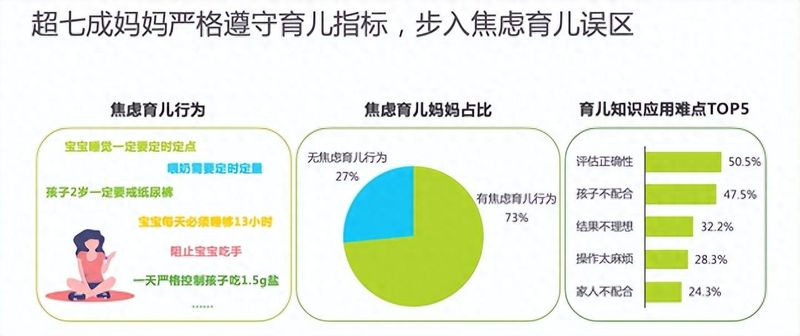
A 2022 report on family science parenting in China revealed that nearly 70% of mothers experience long-term anxiety and worry. When it comes to parenting mistakes — from yelling at their child to struggling with discipline — over 60% of mothers immediately blame themselves, constantly feeling they could have done better. This ongoing cycle of negative emotion takes a serious toll on maternal mental health.
A friend of mine — let’s call her Wei — recently took her son grocery shopping. That evening, he developed a fever and cough, and the family rushed him to the emergency room. When the doctor diagnosed it as a cold caught from the air conditioning, her husband immediately blamed her: “I saw your son was wearing a short-sleeved shirt when you came back. The store was freezing — why didn’t you put a jacket on him?”
Already worried sick, Wei felt even worse. She remembered that before entering the store, her son had demanded ice cream and she’d said no. He got angry and refused to wear his jacket. She tried reasoning with him, but he wouldn’t budge. Meanwhile, her husband had refused to come shopping with them, choosing to stay home and watch TV instead. Frustrated and exhausted, she gave up and stopped pushing for the jacket.
Inside the store, her son started complaining it was cold. Her heart ached for him, and she tried again: “If you’re cold, put your jacket on.” But he shot back: “Buy me ice cream first, then I’ll put it on.” She was furious and ignored him.

Of course, the boy caught a cold. As her husband complained and her son whined “It’s Mommy’s fault — she didn’t buy me ice cream so I wouldn’t put on my jacket,” Wei started spiraling. “It’s all my fault. How could I let a child get to me like that? I’m not a calm mom.” Days later, she was still sighing and bringing it up with friends.

Everyone who knows Wei remarked on the dramatic change. Before becoming a mother, she was a confident, ambitious graduate from a top university, a mid-level manager at a multinational company. Now she either explodes at her son over his homework, or questions her own parenting ability because of his behavior or health issues. What she doesn’t realize is that the “mother” community is filled with many more women just like her.
Why Do Mothers Explode at Their Kids and Then Beat Themselves Up?
“I know yelling at my child is wrong, but I can’t control it.”
“I’m so tired every day. When I see my child make a mistake, I just can’t stay calm.”
“The moment my child talks back, I lose it.”
Sound familiar? These are the most common complaints among mothers everywhere.
But afterward, they drown in guilt: “It’s my fault — I showed my child an ugly side of me.” “What if my child grows up to have my temper?” The weight of these emotions is crushing.
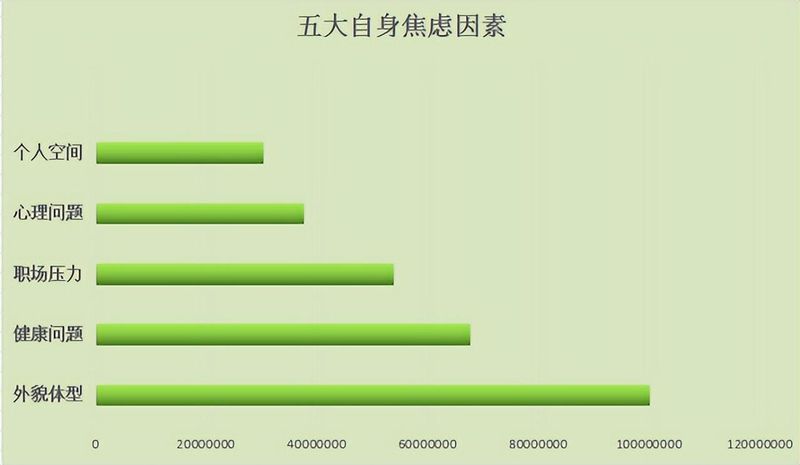
According to large-scale data on the “anxiety index” of mothers, parenting-related anxiety — about children’s academics, safety, health, personality, habits, and more — far outweighs personal sources of stress.

Why Mothers Struggle to Control Their Emotions
1. The Frustration of Unmet Expectations
From a social psychology perspective, when a mother invests extensive time, energy, and money into raising her child but doesn’t see the expected results — poor grades, frequent trouble — the resulting sense of failure can easily trigger anger and emotional breakdown.
2. Overwhelming Pressure
Society often expects mothers to be both nurturing caregivers and successful career women who “can handle anything.” This creates crushing pressure across home life, parenting, and career. Under the psychological “pressure effect,” anxiety builds, and emotional control gradually slips away.

3. Lack of Support from Family
Like Wei’s husband, many partners blame the mother the moment something goes wrong with the child. When you’re already exhausted from housework and work, and you receive criticism instead of understanding, emotional collapse is inevitable.
Beyond these factors, growing up in a household with emotionally unstable parents, and not having healthy ways to process emotions, also contribute to mothers taking their frustrations out on their children.
As the book When Anger Hurts Your Child points out: When a mother is unhappy, her children don’t feel happy either — and the effects extend to their physical and mental health.
So how do mothers find peace with themselves, develop healthy emotional regulation, and shift their approach to parenting? Let’s explore.
How to Become a Better You — and a Better Mom
1. Make Peace with Yourself
Parenting expert Yin Jianli shared that when raising her daughter, she made many mistakes as a first-time mom. It was only as her daughter grew that she recognized those mistakes and apologized.

Her key insight: every mother makes mistakes due to limited experience and knowledge. Being too hard on yourself helps no one. Constantly dwelling in guilt and self-blame not only torments you internally but also affects your family atmosphere and your child’s healthy development.
2. Don’t Carry Everything Alone
The book Raising Children Is Not a Woman’s Job Alone emphasizes that parenting and household management are not solely a wife’s responsibility. Only when every family member shoulders their share can the household function harmoniously.
So stop using excuses like “my husband doesn’t know how to do anything.” Learn to delegate — whether it’s childcare or chores. Yes, your partner may make mistakes at first, but with practice and experience, they’ll get better too.
Tip: A strong, lasting marriage is built on shared effort and contribution from both partners.

3. Learn to Manage Your Emotions
Peaceful Parents, Happy Kids states: “The most important parenting skill you must master is self-control — managing your own emotions.”
When you feel anger rising, pause and ask yourself: “Why am I angry?” Finding the root cause is the first step to releasing it.
Is it work or life stress that has you drained? Then carve out time to do something that genuinely brings you joy — whether it’s spending time alone, going shopping, or meeting friends. The right method is whatever helps you release pressure and calm your mind.

If it’s your child’s challenging behavior or slow academic progress that bothers you, discuss it with your partner or extended family instead of taking on all the responsibility and pressure alone.
4. Let Go of Unrealistic Expectations
Psychologist Alfred Adler believed that “unhappy family environments and poor parent-child relationships often stem from parents having excessively high expectations and being unable to accept their child’s ordinariness.”
According to the Mothers’ Anxiety Index Report, the primary source of academic anxiety is setting the bar too high. When children don’t meet these sky-high expectations, mothers feel disappointed and start questioning both their parenting and themselves.
While wanting the best for your children is natural, it’s crucial to truly understand who your child is — their personality, abilities, and limits. Only then can you set expectations that are within reach. Work together with your child and family toward reasonable goals, step by step.
The book Don’t Be a 100-Point Mom offers this wisdom: “Being a mother is an important role for a woman, but before that, she must first be herself.”
In other words, before becoming a mother, you are an independent person. Only by learning to love yourself well can you avoid losing your identity and give your children the best kind of love — not the love of someone constantly criticizing herself and breaking down.
Of course, a mother’s emotional stability and happiness don’t rest on her shoulders alone. Her family plays an essential role too.
Family Support Makes All the Difference
Statistics show that over 60% of women suffer from depression, with more than 50% of those being married mothers. The primary causes: workplace pressure, heavy housework, and parenting demands. When these are compounded by a lack of understanding, affirmation, support, and help from family members, mental health issues only worsen.

Experts consistently urge every family member to step up and share responsibilities. Husbands must actively participate in parenting instead of leaving it all to their wives — and certainly shouldn’t blame their wives for every problem that arises. Work together to find proper parenting knowledge and approaches.
Whether a mother works outside the home or is a full-time parent, her family should recognize her value and contributions, respect her sincerely, support her, and be her pillar of strength.
A Final Note
In the latest trends in mother-and-baby care, maternal mental health has become the hottest focus. Helping mothers find self-worth and break free from negative emotions is a growing priority for experts. And this reminds every mother: having a sense of self, making peace with yourself, not piling on unnecessary pressure and guilt, and learning to manage your emotions are vital — not just for your own mental health and happiness, but for your children’s healthy growth too.
(Image source: Internet. Please contact for copyright removal.)
Leave a Reply